

Reading Success By Grade 3

Reading success by the third grade is crucial for students’ academic development. Third grade is when students should move from learning to read to reading to learn. It needs to be a simultaneous process for students. As students progress from decoding and sounding out word letters, they must transition to gathering information from what is read. Without this occurrence, students begin to fall behind academically. A study by Donald J. Hernandes, a sociology professor at Hunter College, states that “students who lack proficiency in reading are four times more likely to become high school dropouts.”

Keys to Third Grade Reading Success

Engage students before reading a book or story. Start with a book’s blurb. This gives the students some familiar content. While reading, have students make a connection to themselves. They should make predictions. Afterward, share discussions on the favorite parts and characters of the story. While students read, occasionally check that students understand the content.

Graphic organizers help students organize their thoughts and their understanding of concepts. Well-designed organizers help students grasp the key concepts. Reading skills empower students toward academic success.

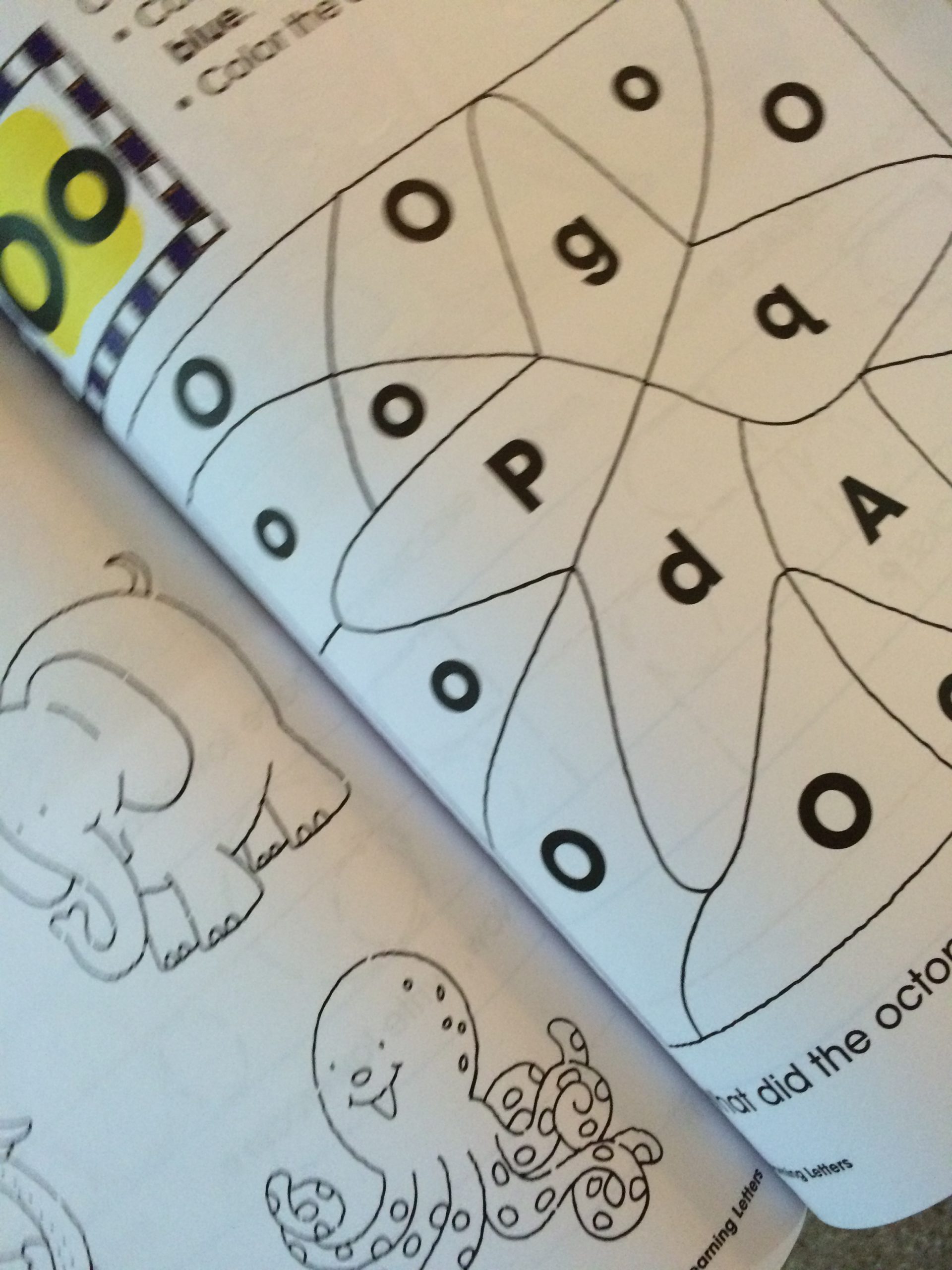
The use of interactive and multisensory activities, such as word-building and sight word practice. As students use hands-on activities, they strengthen the connection between letters and sounds.
Encourage students to build a daily reading routine at home. Students should engage with any reading material either independently or with someone else. This routine helps students become familiar with the written word. It helps with reading fluency, and through a variety of books and magazines, it builds vocabulary.
Teach strategies that help build word meanings. Digital tools, dictionaries, and previously learned words assist with understanding and context. Exploring new words sparks their curiosity and expands their vocabulary. Enriching a student’s vocabulary builds skills such as comprehension, expression, and academic achievement.
Developing all reading skills helps students think critically about what they read. They improve in expressing their thoughts and presenting ideas. Reflecting on their readings enhances metacognition. It provides insights that support decision-making. By applying reading strategies across all subjects, students start to read, write, and communicate more effectively for success.


Adams Educate Logo
Share:
LinkedIn
Facebook
Reddit
Pinterest
Email
Print
Facebook

Leave a Reply

Your email address will not be published. Required fields are marked *


The reCAPTCHA verification period has expired. Please reload the page.

Related Posts:

Personalized Learning is the Future

Personalized learning for K-12 students represents the future of education. Today, schools incorporate digital learning for students and teachers. Students participate remotely or in hybrid

The Basics Are Missing For Students

The basics are missing among today’s students. According to educators, young students cannot put on coats or shoes. They can’t zip shirts or coats or

Editing Skills for Students

Editing skills are important for developing a student’s writing. They help students improve their writing across all subjects. When students learn editing skills, they become