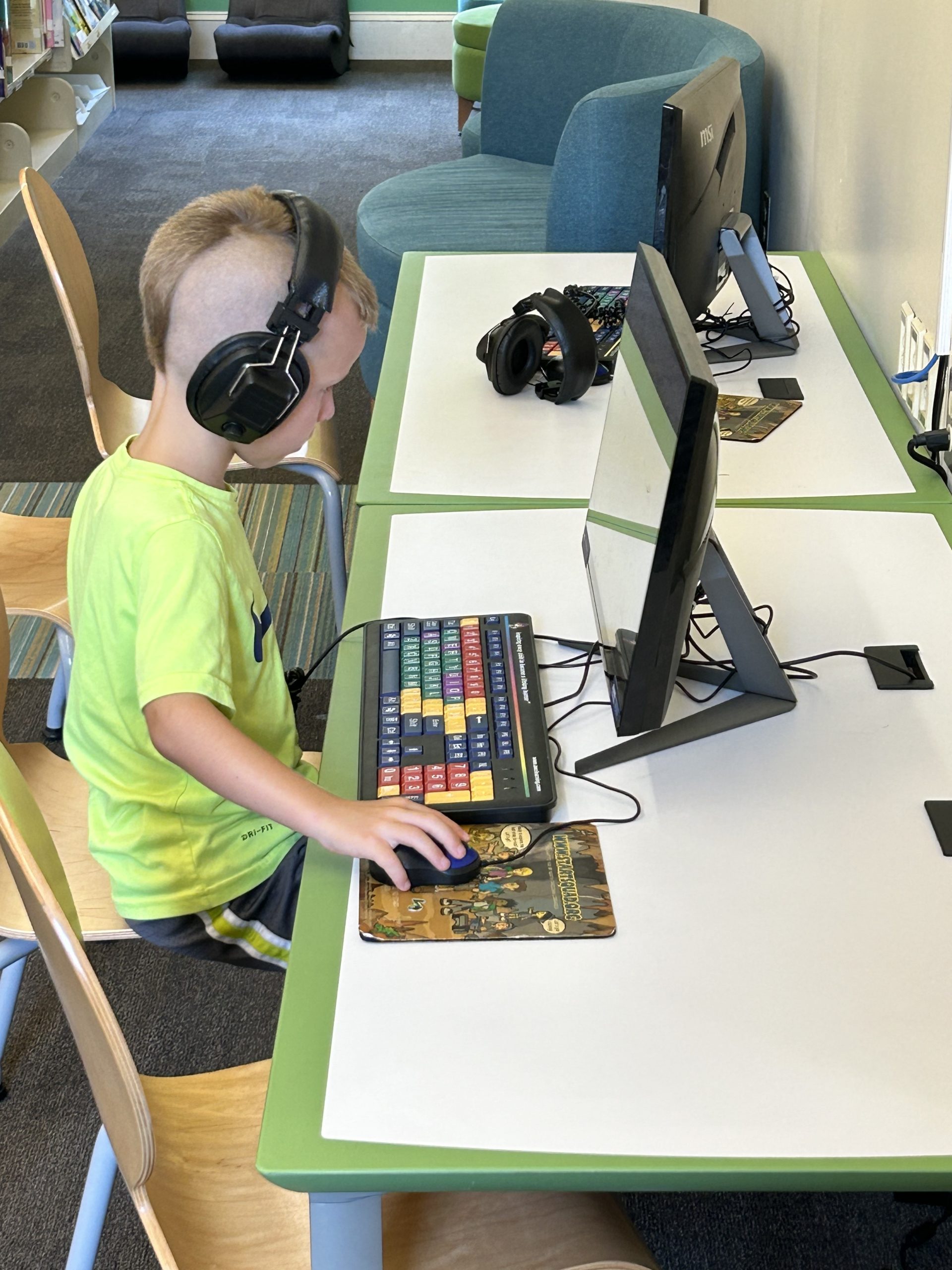
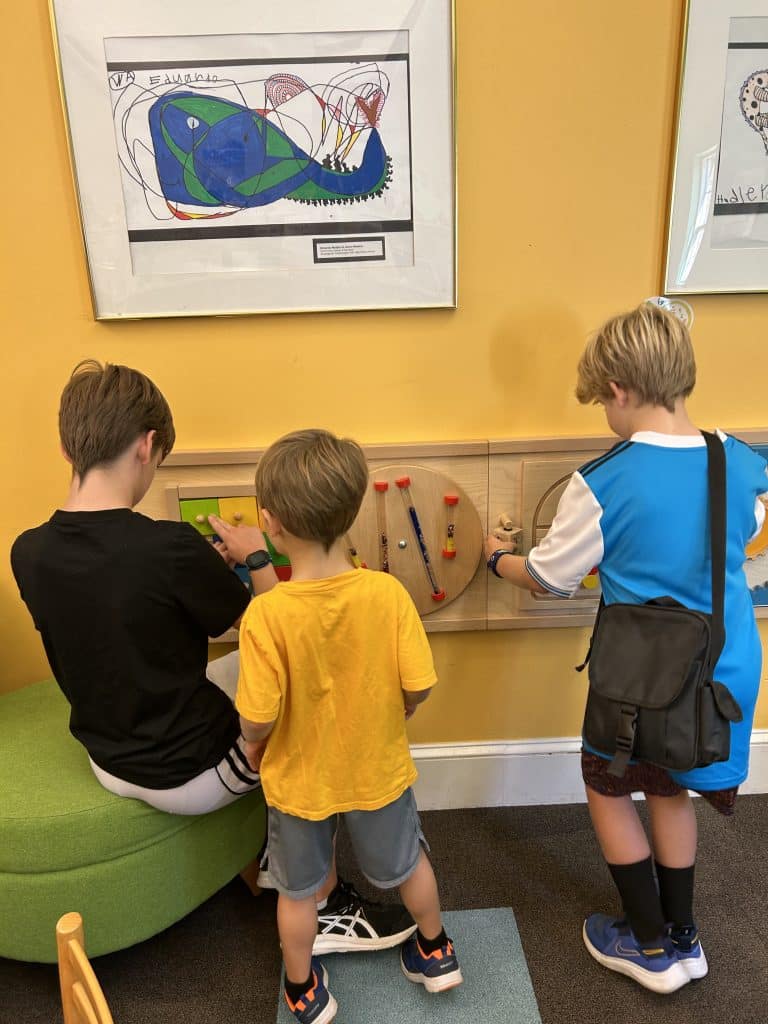
Engaging students means capturing their attention, curiosity, and interest in the lesson. As students become involved in the lesson, they demonstrate their desire to learn.
Many classrooms have diverse learners with various degrees of development and interests. Engaging students in learning is not always an easy task. Studies show that to keep students engaged, teachers must refocus them on the topic or lesson about every ten minutes. Involving students in ‘think-pair-share’, peer teaching, and small group discussions where each student has a specific role keeps them engaged.
Engaging Students Involve Strategies
Students remain engaged when lessons include their interests. Various strategies, including games, hands-on activities, and open-ended questions, play a key role in capturing students’ attention. Constructive feedback fosters positive discussions and sparks more thinking, creating, and problem-solving.
- Hands-on activities also mean minds-on. A connection exists between hands-on learning and cognitive processes, including thinking, memory, and emotional regulation.
- Open-ended questions help students delve deeper into their thoughts. They are metacognitive in that they get students to think about their thinking.
- Peer teaching improves retention and skill development. It takes the student’s focus away from the teacher and onto student learning.
- Games help students build collaboration and teamwork skills.
Avoid Dead Time
An tool box of ideas, activities, and routines helps to keep the focus on the lessons. General purpose activities that apply to any subject matter keeps students on task. Physical activities help with students that need to move or to release extra energy. Think-time activities help students reflect on preious learning. Talk-time gives students time to talk to oher students about the subject matter. Developing tool-box ideas takes time, but in the long run, keeps students engaged.
Distracions
Today, technology and other various distractions cause students to lose focus in the classroom. Thus, strategies and activities are essential to embed the love of learning into the lives of students. Student engagement leads to improved academic performance. As students are engaged in the classsroom lessons and assignments, they will meet their educational goals. The more they are engaged and motivated to learn, the more they develop critical thinking skills.
Engagement in lessons means attendance is not a problem. Students want to go to school and concentrate on learning and there is more social interaction with their peers. Interactive students learn about themselves and their interests that lead to future endevers.