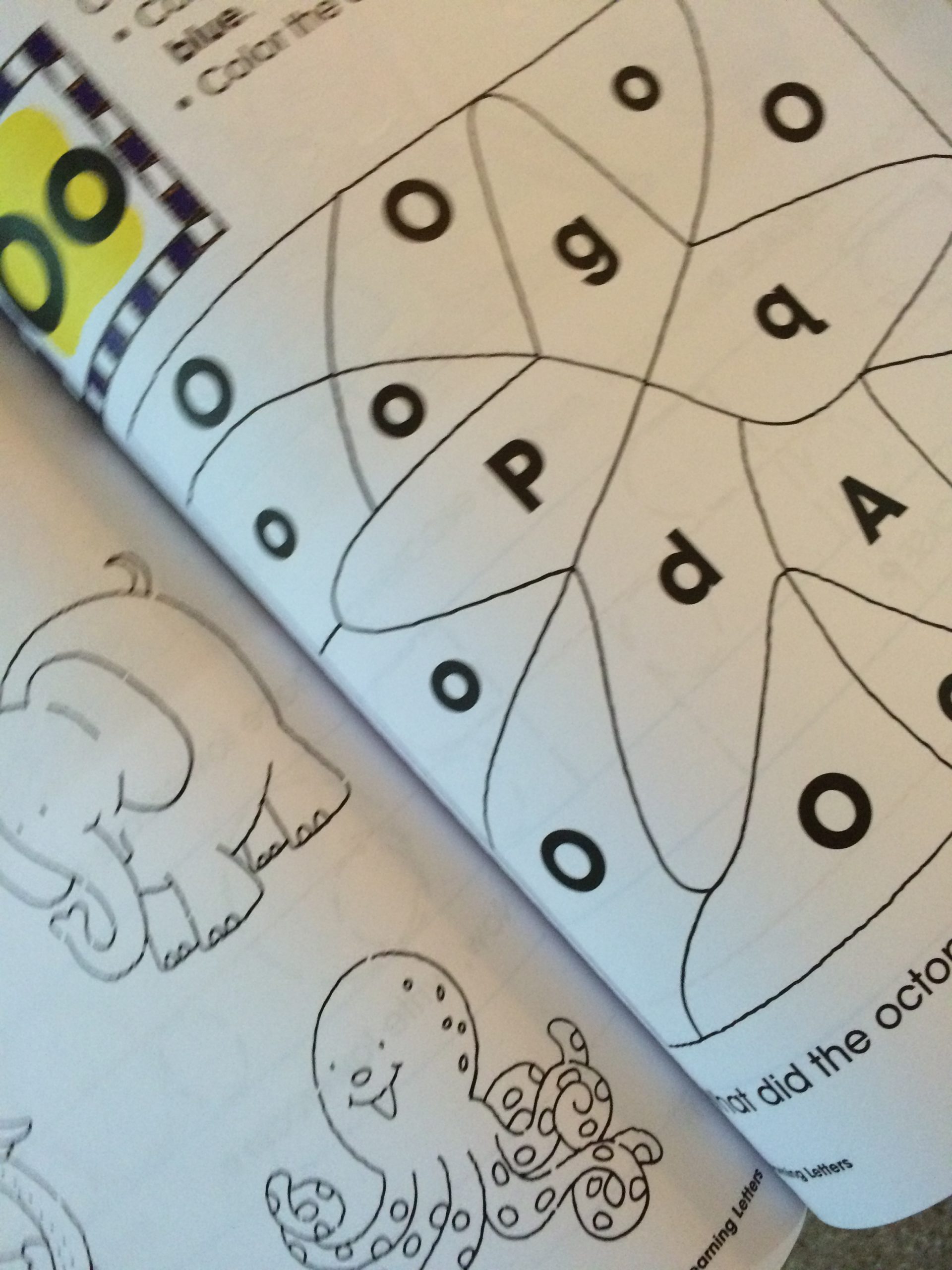

Basal readers are designed to teach basic skills for reading and vocabulary to students. It uses structured, grade-level books to teach reading through sequenced stories. Basal readers have a long history in schools. They became controversial because some are not up to the rigor of state assessments. Thus, they may not be as in-depth as needed.
Through the structure of the basal reader, it teaches the basics of reading and language. The focus of the basal is through memorization of concepts and rules through repetition. The use of the basal readers’ assessments provides a valuable reflection on a student’s learning. The data is valuable during parent-student conferences.
Basal Readers Plus
The basal reader controversy began with the pedagogical approaches of what is appropriate and educational. Basal programs include phonics, fluency, vocabulary, and comprehension. They include short stories in an anthology format. As it stands, they need additional reading materials, such as chapter books. This enhances the reading experience and provides students with authenticity to the context of the material.
The basal is intended for groups. It does not give other materials for different learners, such as gifted students or students with learning disabilities. It is too rigid for disadvantaged learners and is not engaging enough for gifted students to meet their interests.
Schools transitioned from basal readers to the whole language approach, the science of reading, and to phonics and sight words. Whole language focuses on students learning entire words with an emphasis on word meaning. Readers use repeated words throughout the text to help students memorize. With the science of reading, the program focuses on how a student’s brain learns to read and the building blocks of words.
The Latest Approach
Schools are anxious to address low reading scores. According to NAEP, in 2024, the average reading score for the nation at grade 4 was 2 points lower than in 2022 and 5 points lower than in 2019. Therefore, many textbooks are now adding more phonics to reading programs.
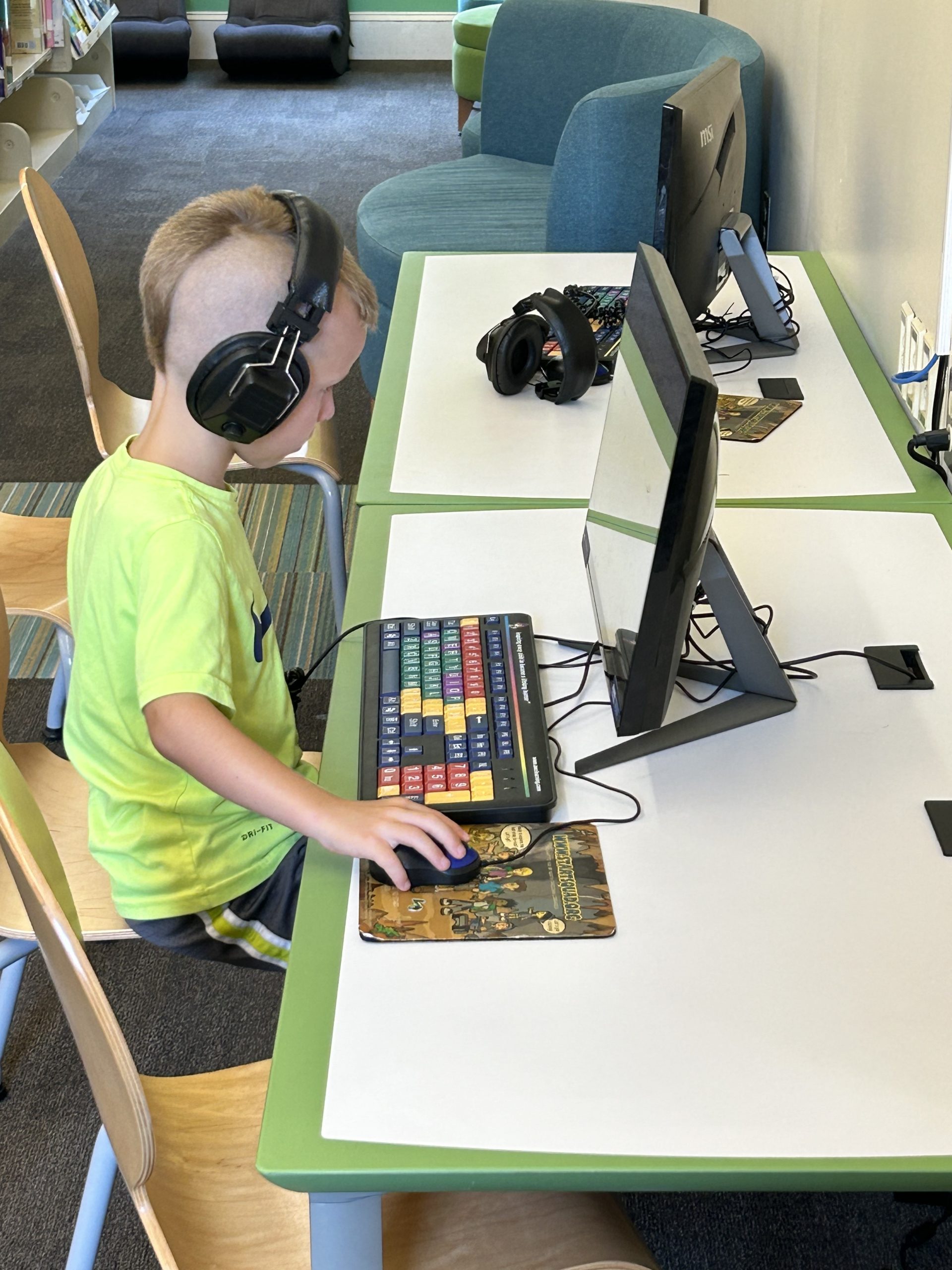
There is considerable evidence on how reading works and how students learn and achieve success in reading. Students are taught through whole-class instruction, with reinforcement provided in small-group instruction. Success comes with a variety of reading materials for students to increase their comprehension skills. Other skills learned through various resources include recalling material, sequencing, summarizing, making inferences, predicting, and drawing conclusions. Such material, through computer-based supplemental reading programs, develops needed skills.
To increase scores in reading, schools use differentiated instruction. They use various strategies in small group instruction to accommodate all students’ skill levels. Teacher quality is enhanced through professional development opportunities in research-based instruction.
Many strategies used in schools to improve reading programs include:
- Flexible grouping allows students to temporarily work in small groups for needed skills.
- Explicit teaching through best practices. Defined by researcher Barak Rosenshine as “a systematic method of teaching with emphasis on proceeding in small steps, checking for understanding, and achieving active and successful participation by all students.”
- Small groups with peers help students acquire needed skills with little pressure.