

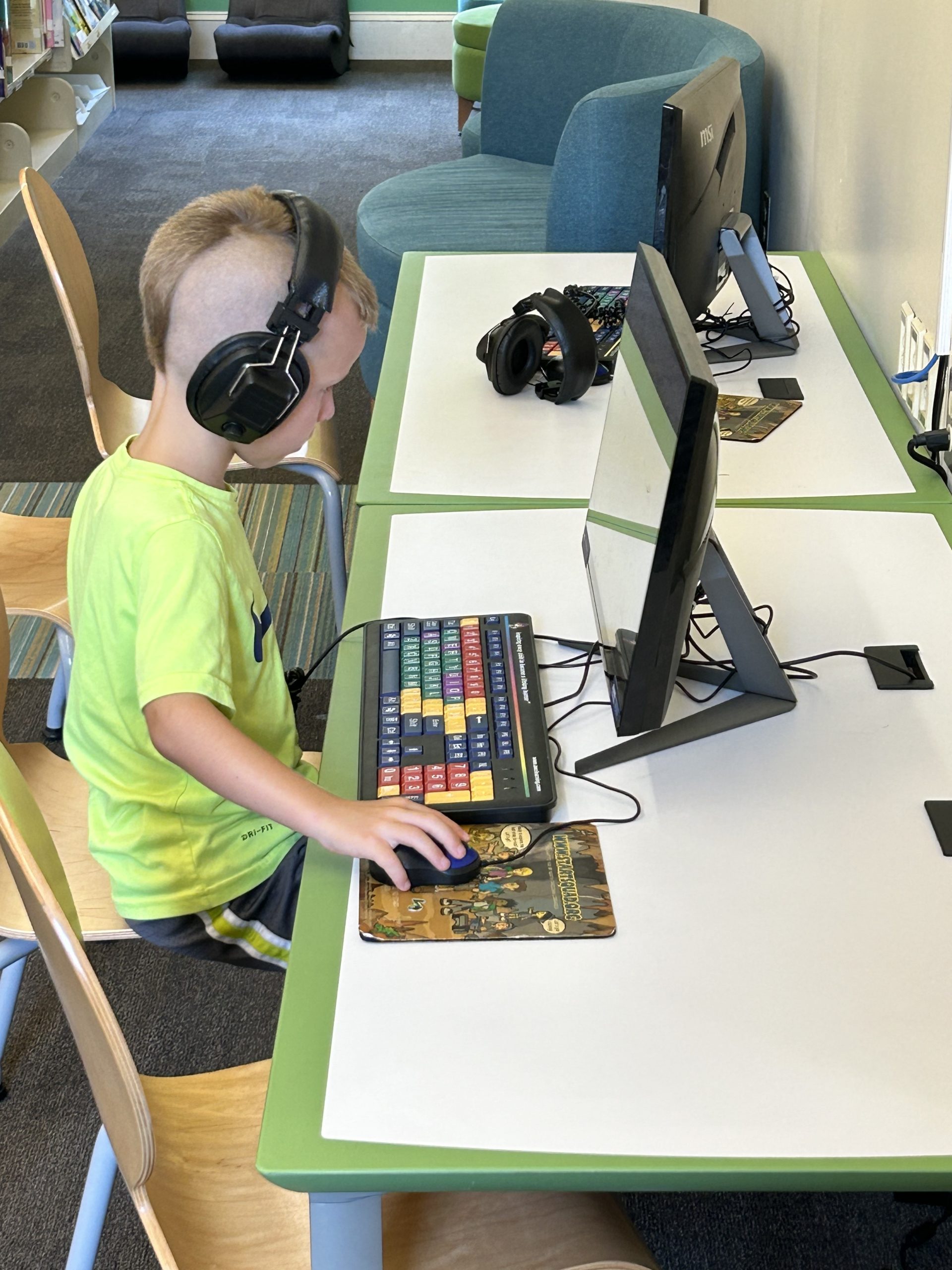
Personalized learning for K-12 students represents the future of education. Today, schools incorporate digital learning for students and teachers. Students participate remotely or in hybrid settings. Digital learning enables schools to continue educating students whether they are in the classroom or learning remotely. This approach allows teachers to tailor assignments and goals to each student. Schools are prepared to explore new teaching methods and meet evolving demands for how students learn most effectively.
Targeting Personalized Learning
Personalized learning is becoming common practice. It emphasizes each student’s learning pace, interests, and goals. Teachers need tools and resources to tailor instruction to different students. Students require assignments that cover topics and projects aligned with their interests and that promote social-emotional learning.
Keeping track of how students progress and adjusting lessons helps students succeed and keeps them motivated. However, to keep up with the growing needs of students, educators need continuous professional development. Educators need to use digital tools with clear and precise goals.
Hybrid learning is a permanent part of today’s education. Technology opens many avenues for classroom learning for all students. Students with disabilities have more opportunities and can work at their own pace. Digital learning gives students a chance to learn in various ways to reach their potential. Personalized learning offers opportunities for students.
- It drives educational equality.
- It is flexible for students and they can move at their own pace.
- It helps teachers better understand students’ needs.
With assistive technology, students have choices in content and the way they learn.
The Move from Rote Learning
Personalized learning moves away from rote learning to applying knowledge to real situations. (However, rote learning benefits students in the lower grade levels.) In higher grades, students benefit from project-based assignments and inquiry-based instruction. This allows teachers to evaluate knowledge. They can measure growth as students work throughout the year. They are able to assess behavior, emotional-social skills, and cognitive skills.
AI and Personalized Learning
Personalized learning can involve AI, but AI is not personal. It only requires input from the learner, after which AI can supply the output. AI also can not provide tasks based on a student’s strengths or weaknesses. It can provide a method for individualized instruction with input from the teacher.
The teacher’s role is ever-changing. Technology allows them to grade and track attendance more efficiently. They have more time to assist students in their learning. They can act as facilitators to develop critical thinking, guide through an assigned project, suggest resources, and evaluate the result.
Today’s professional development needs to guide teachers better. There needs to be ongoing support for teachers and provide educators with the means to achieve successful student outcomes.
One Response
The change is needed.