
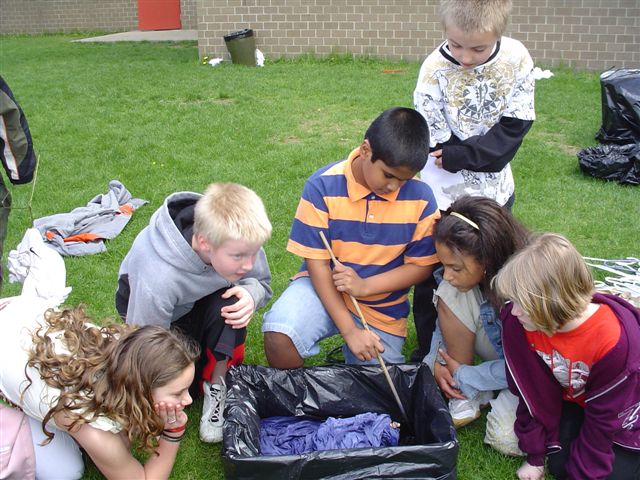
Educating boys is more challenging than educating girls. Boys of all ages are doing worse in school than girls. Boys are diagnosed with learning disabilities at higher rates than girls. They make lower grades and have lower test scores than girls. However, not all boys struggle academically. As a group, they have been falling behind girls for years. While girls see gains in academics, boys show slower growth patterns.
Methods for Educating Boys
Classrooms are set up for students to sit and not make noise. Thus, boys are at higher risk for inattention, hyperactivity, and externalizing behavior, according to the Journal of Abnormal Child Psychology.
Creating a classroom that accommodates male students must allow for movement. Hands-on learning and competition give male students the ability to move. The boys must be able to fidget and need frequent breaks. They learn from active and structured classrooms with clear goals and positive reinforcement. So, the present way of educating boys needs some adjustment.
Involve the Boys
There are several ways for educators to engage boys in lessons.
- Include humor. Boys learn best when there is humor and fun facts.
- Most boys are visual learners. They need graphic organizers, rubrics, lists, and models.
- Many boys love competition. They need to be challenged.
- Do less talking, use gestures, and make eye contact. Be clear and concise, with one instruction at a time. Explain the purpose of the activity.
- Create a positive atmosphere and bond with students. Boys are social.
- Keep communication with parents, focusing on the positives of students.
- Let boys stand in class. As boys fidget, they activate both sides of their brain.
Boys engage with the learning environment when it accommodates cognitive gender differences. The average male student develops cognitive skills (reading, writing, verbal) slower than girls. Boys benefit from learning through visual information and hands-on projects. Boys often downplay their assignments and tend to finish them at the last minute. They want respect.
Do Nots for Boys
Boys do not like being shamed in front of peers. Boys with difficulty reading should not be asked to read in front of the class. This will humiliate him, and he will become unresponsive to learning. Correcting a response or action also causes humiliation in front of peers. This causes retaliation. Some do not like any attention, whether it is positive or negative. Lastly, some do not understand sarcasm. Sarcasm is similar to belittling.
To support boys in the classroom, continue empowering girls. Educate all students equally and offer strong positive messages. Understanding cognitive development guarantees success for all.