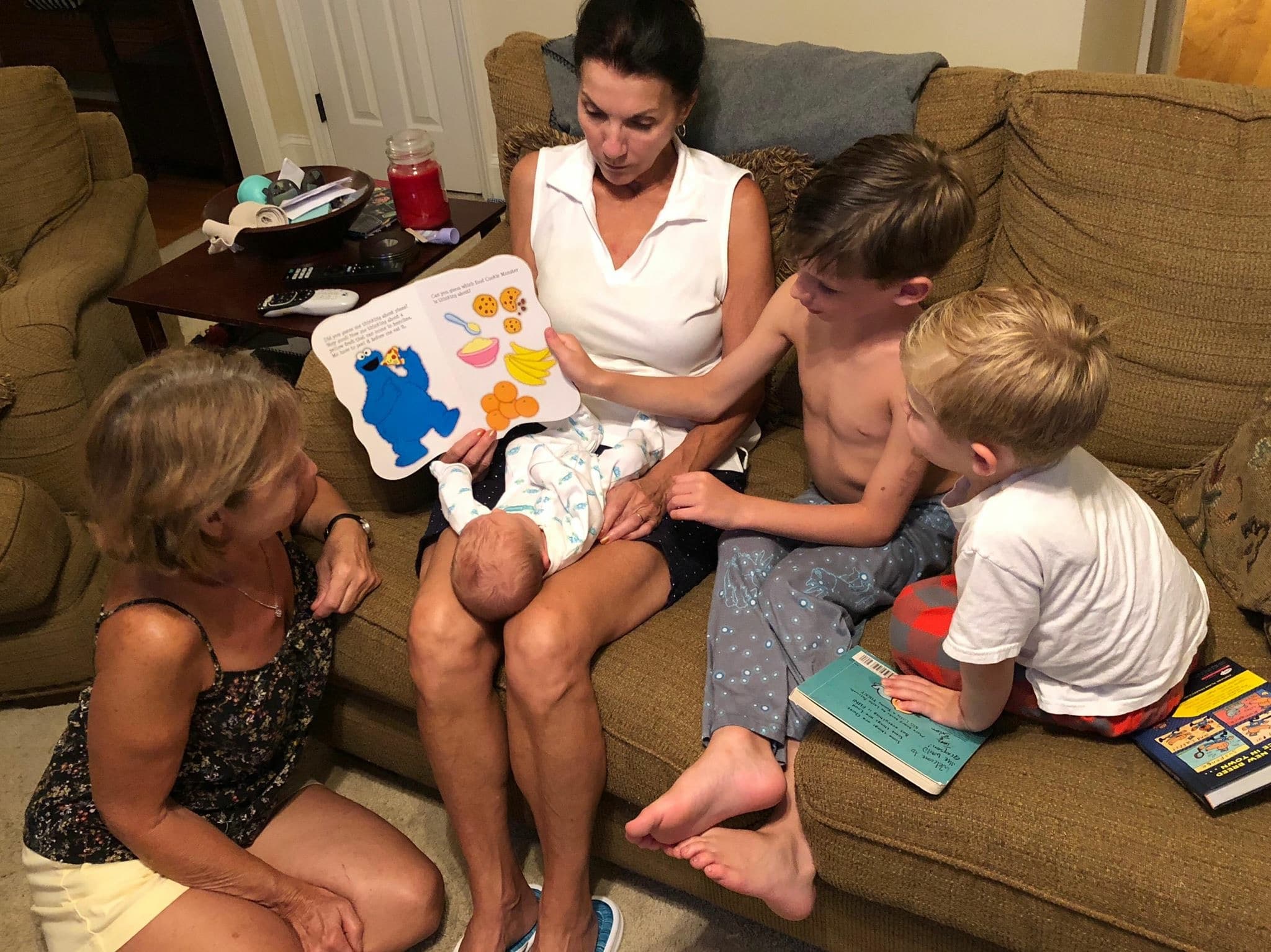
Storytelling is different than storytime. Storytime is when a story is read to the students. Storytelling is a way of helping students deal with life’s situations. Good storytelling makes great teaching. A good story demonstrates changes, reflection, adaptation, and growth. It even demonstrates successes and failures. Stories have benefits for students.
Real-life stories establish personal, professional, or academic relevance. They help students understand the process of scientific inquiry through a person’s question. Storytelling provides a connection with students and real-life situations about culture, history, and values. An inspiring story contains many meanings and offers students different perspectives. Real-life stories engage students better than abstract ideas.
Storytelling Works
Storytelling started hundreds of years ago. It is one of the oldest types of communication in history. It’s found in communities and cultures. It is linked to language development. Telling stories is a way of conveying knowledge, advice, and culture while bonding students and teachers. Actually, it is hardwired into the brain and is natural for everyone. This is the reason students, especially children, love to hear stories.
Teachers are natural storytellers. Storytelling is a magical moment that makes students sit and listen.
- It inspires purposeful talking.
- Raises a student’s enthusiasm for reading and storytelling.
- It gives students an incentive to write their own stories.
- Telling stories improves listening skills.
- It motivates English-language learners to speak and write English.
Become A Storyteller
Daily occurrences can cause teachers to become storytellers. Tell about things seen, experienced, or read. Many folktales, fables, and myths can be retold to students. Keep notes on funny, strange, or surprising experiences that can be created into a story with reactions and consequences. Stories do not have to be long. In telling a story about an interesting book, keep the book close by as a reference. Add interest by dressing the part or using a different voice.
Storytelling takes effort. Teachers are natural storytellers because of the many classroom experiences they have with children, parents, and other teachers. However, remember to change the characters and circumstances to protect the innocent.
- Get personal about an incident. A good story is similar to a performance.
- Keep it simple. Don’t get carried away with too much minutiae.
- Don’t sequence events. Let the story happen. Feeling and consequences don’t happen on a timeline.
Many events and experiences make good stories, such as misunderstandings, disagreements, failures, and successes. Share stories with students so they see learning as a life experience.