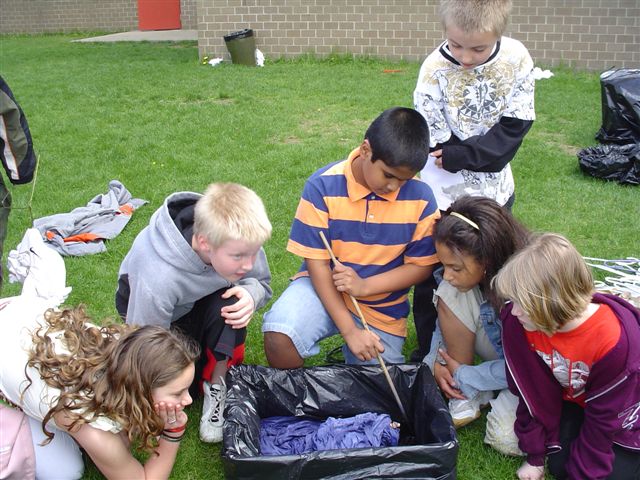
Peer teaching is part of a few classrooms. Educators look to increase student achievement every year. To meet expectations, schools consider peer teaching as an evidenced-based strategy. Peer teaching has a focus on a student center classroom. The classroom that has a focus on students is about collaboration. The student-centered classroom does not follow the traditional method of arranging desks in a row. It is about desks and tables that allow the student to easily collaborate. The teacher becomes a motivator and not a deliverer of content. Therefore children help each other to learn.
Teaching and Tutoring
Through peer teaching, students support each other. This provides them the opportunity to engage in deeper learning through the help of peers. Also, cognitive and social skills develop with peer engagement. In addition, the teacher becomes a participant and a learner through the discussion. Questions are asked and misconceptions are corrected.
As students teach each other they are more likely to speak freely. In addition, they have less pressure in group settings as they learn from a peer. Thus, they build relationships with each other. They begin to understand various backgrounds of their peers. With peer teaching, students develop communication skills.
Peer Teaching Benefits
- Classrooms that involve student-centered learning have more time for individualized learning.
- Active learning is supported by the interactions between and among students.
- Thus, the student leader reinforces his/her learning as they interact with others.
- There is a comfort level as students talk to each other rather directly to the teacher.
- The teacher is able to focus on the lesson in accordance with the level of understanding through peer teaching.
Research on peer teaching is most successful as students work in pairs to help one another. It works best as students of different abilities work together.
Ways it Works
Classrooms that are student-centered focus on various methods of instruction. They use inquiry-based instruction, problem-based learning, project-based learning, discovery-based, and case-based. All of which are very similar. However, the intent and focus are the same. It empowers the student to own their learning.