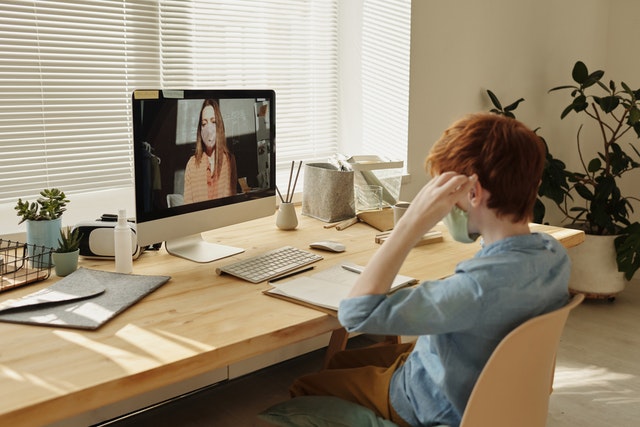
Virtual, or remote learning, is presently the replacement for snow days during the school year. It has become a contentious issue, as many families struggle with accessing the internet at home. Many schools have tried to find ways to help; the reality is that not all students have equal access to the internet. This puts economically disadvantaged students at risk of increasing the academic gap. Thus, many parents and students prefer to let students enjoy a play day in the snow.
In the past, school officials would meet to discuss safety issues and consult with bus companies before making a decision. However, the decision usually led to a complaint from someone. The main issue was connectivity to the internet. Thus, a day of school due to inclement weather can hurt academic performance for at least two or more days of learning.
EdWeek Research Center found: “39 percent of principals and district leaders converted snow days to remote learning days as a result of their experience with remote learning during the pandemic, and another 32 percent said they’re considering it.”
Virtual Learning and Students
Most schools eliminate the snow day and use remote learning because it allows them to complete the 180-day calendar without extending the school year. Some schools do not permit remote learning days to count toward the state’s 180 days. Many parents want the traditional snow day and keep a full make-up day for in-class learning.
Some students feel that remote learning days are a waste of time. Assignments do not always align with what students are learning in the classroom. Most teachers do not count the grades or points given for work completed on remote learning days. Thus, the assignments do not affect the final grade.
Virtual learning, according to some, took the joy out of a day off because of snow. Students didn’t want to spend the day staring at a screen. They became disengaged in the learning. Additionally, younger students required parental supervision when using the computer and completing assignments.
Virtual Learning and Teachers
Teachers face challenges adapting lessons that were originally planned for in-person instruction. These lessons often become filler that doesn’t contribute much to the content to be learned. Therefore, lessons end up as a review rather than new content. Schools have also reduced class time to avoid excessive screen time.
Teachers understand that some students succeed in remote learning, while others face technical, cognitive, and emotional roadblocks. Virtual learning isn’t good for all students. Students with an IEP may not receive the adaptations they need.
Replacing snow days with remote learning is a step forward in education. Schools still need to work out the problems so all students can succeed. Technology can have a positive effect on education, but tradition and equity must be considered.