 School field trips are a love/hate necessity. Many times classes go on trips that have nothing to do with the curriculum they were teaching – they just went because they could or it was expected.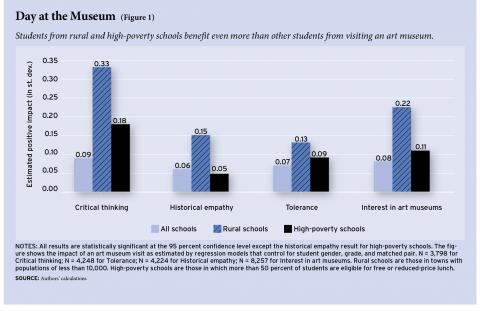
Field trips need to be linked to a meaningful and relevant goal to have an impact on learning. They should be a window to the outside world in which students live, not a vacation from the indoor classroom.
A successful field trip engages students in all of Gardner’s Multiple Intelligences. They are intended to:
•Develop collaboration and team work with activities, pair sharing and group sharing of ideas and learnings.
•Connect content to the real world and bring experiences that can’t be effectively taught in the classroom.
•Involve hand-on minds-on learning.
•Encourage questions to further investigate.
•Initiate student/teacher communication in reading, writing, and language.
•Expose children to a different method of acquiring knowledge.
The type of field trip determines the educational value given to the in-class learning.
•Service field trips provide the opportunity to learn about and help others in the community – collecting recyclables, reading and performing at senior centers.
•Hands-on interactive field trips let children touch and see to help them understand content – zoos, botanical gardens, nature centers.
•Job centered trips broaden a child’s horizon to different careers – hospitals, government agencies, businesses, and museums.
In-School Field Trips
Field trips do not always mean leaving the building. In-school field trips have the same effect on learning as the out-of-school trips. They lower costs, lower liability, and save time.
Virtual trips are also possible if the budget cuts affect your classroom experiences. The Smithsonian Institute offers many educational themes for learning.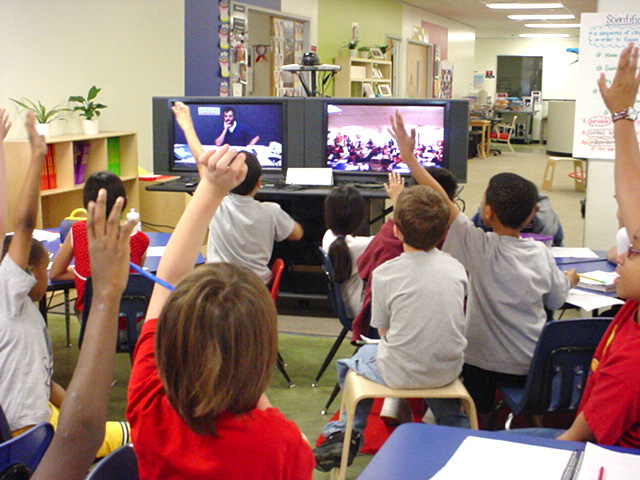
Planning
Time and coordination is required for each field trip especially when connecting experiences directly to course objectives and content standards. There are forms and permission slips to acquire, money to collect, and rules to prevent discipline issues.
No matter how a field trip is viewed, be it a parent or educator, from preschool to college, they are the best way to help students learn information. ‘A picture is worth a thousand words,’ as they say – if students see it, they will begin to understand and remember what it was about. When asking a student about a school experience, they talk about a memorable field trip.