
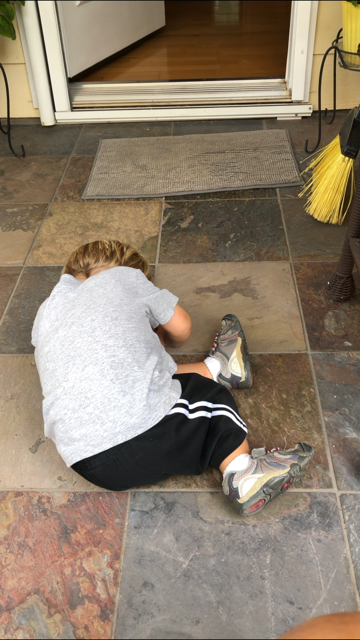
Separation anxiety is normal in most students’ development. Usually, children up to the age of 12 months get upset as their parents or caregiver leaves the room. Children as common as preschool and older have anxiety about their caregiver leaving. However, even teenagers have separation anxiety. Some research suggests that a few older teens and adults struggle with this type of anxiety.
Separation anxiety in older children and young adults has no single cause. It identifies with other mental health problems. It is a combination of genetics and life events. Thus, it makes them more vulnerable to it than others.
Separation Anxiety and Adoption
With an adoption, going from one mother to another in the first few days of life is traumatic for the new baby. Thus, their small brain has difficulty processing. If it is genetic, the parental history has to be reviewed for the source of the anxiety.
School-age children may get diagnosed with the term Adopted Child Syndrome. They associate it with attachment disorders. This is a controversial term that describes certain behaviors. The behaviors include problems in bonding, attachment disorders, lying, stealing, defiance of authority, and act of violence.
Causes
Separation anxiety syndrome happens as the child or student senses an unsafe environment. He or she feels threatened by an occurrence. Stress also causes the student to feel anxious. Different schools, divorce, death of a family member or pet, cause a child to be anxious. In addition, students feel stress or anxiety from a caregiver or teacher. Often, older children or adults have anxiety because they have it as a child. However, it is mostly a stage some students go through in the first few days of school.
Answers
There are some solutions to help. First, be ready for the separation difficulty and keep calm. This may eventually calm the person. Next, give the child support in an activity. Encourage participation in social and physical activities. This leads to new friendships. Finally, praise their efforts no matter how small. Positive reinforcement goes a long way.
It is difficult to say goodbye to a child that is crying. However, with strategies and proper preparation, comfort is in the classroom.