
Technology time may be overused in schools, causing students to acquire too much screen time. A survey conducted by The New York Times finds that technology devices have become ingrained in the classroom since the pandemic. Students of all ages presently learn on computers or tablets during the school day.
With the emergence of AI, schools are now writing policies that limit screen time in the classroom. The Department of Education is stressing active learning versus passive learning, which includes technology. Learning that includes students using critical thinking skills and involves peer collaboration is preferred for student learning. Much technology time includes digital content, thus eliminating critical thinking and peer collaboration. Schools learn to use technology actively.
Active Technology Time
Many technology tools require the engagement of students.
- Whiteboards allow students to engage with content.
- Individualized software provides teachers with a path for student performance.
- Students can participate in a virtual field trip that engages them with 3D models.
- Students can code and build robotic kits for hands-on learning to develop critical thinking skills.
Classrooms that use various types of active technology create students who are actively involved. Active technology offers differentiated instruction to meet the needs of each student. Students are engaged and motivated as they use active technology. It is visually stimulating for students. Various tools make complex subjects easier to comprehend. Thus, it provides instant feedback.
Limits on Screen Time
Regardless of the technology used, educators are concerned about replacing teacher-led instruction with active technology. Screen time is a concern because of its impact on learning outcomes and social development. Overuse of screen time can be associated with concentration and academic performance. Some students have their sleep routines interrupted because of screen time.
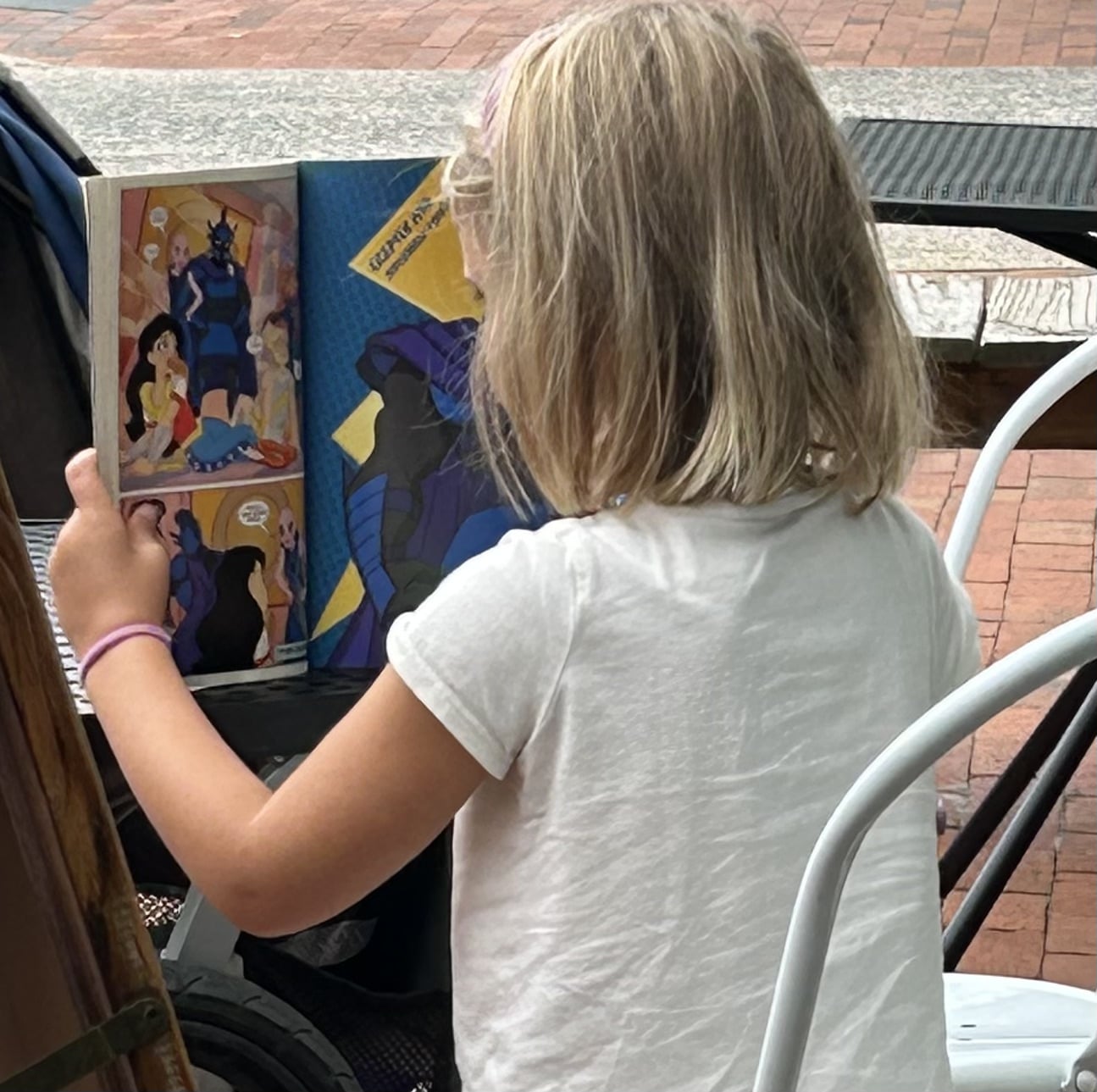
Screen time affects the brain. Retention is better when reading print books. It leads to better comprehension and deeper learning than digital reading, according to a 2024 meta-analysis of 49 studies. The easier choice appears to be online reading. However, it is distracting. More research is needed to understand why the brain retains information better with printed material than with content on a screen. Purposefully used, screens are helpful in the educational environment. Complex experiences and teacher-led discussions may be better on a screen together and not individually.
Students today have been around computers all their lives, with screen time as part of their education and social life. Thus, printed paper books and reading must still be in their routines. If there is an option. Paper reading gives students a deeper understanding of subject matter.