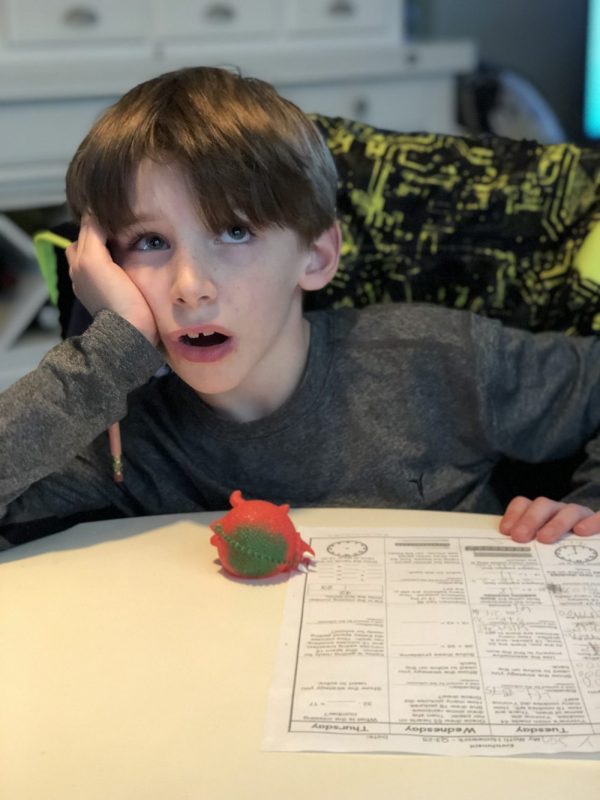
Classroom boredom is not uncommon. Students and teachers get bored with the same old lessons. Teachers do not try to have lessons that bore students. They try to create lessons that interest students. However, boredom sets in for some students.
- There are several strategies to eliminate boredom in the classroom.
- Talking all day leads to boredom because teachers begin to sound like Charlie Brown. This habit is easily corrected by changing the voice or pitch. Some teachers keep interest alive by using an accent.
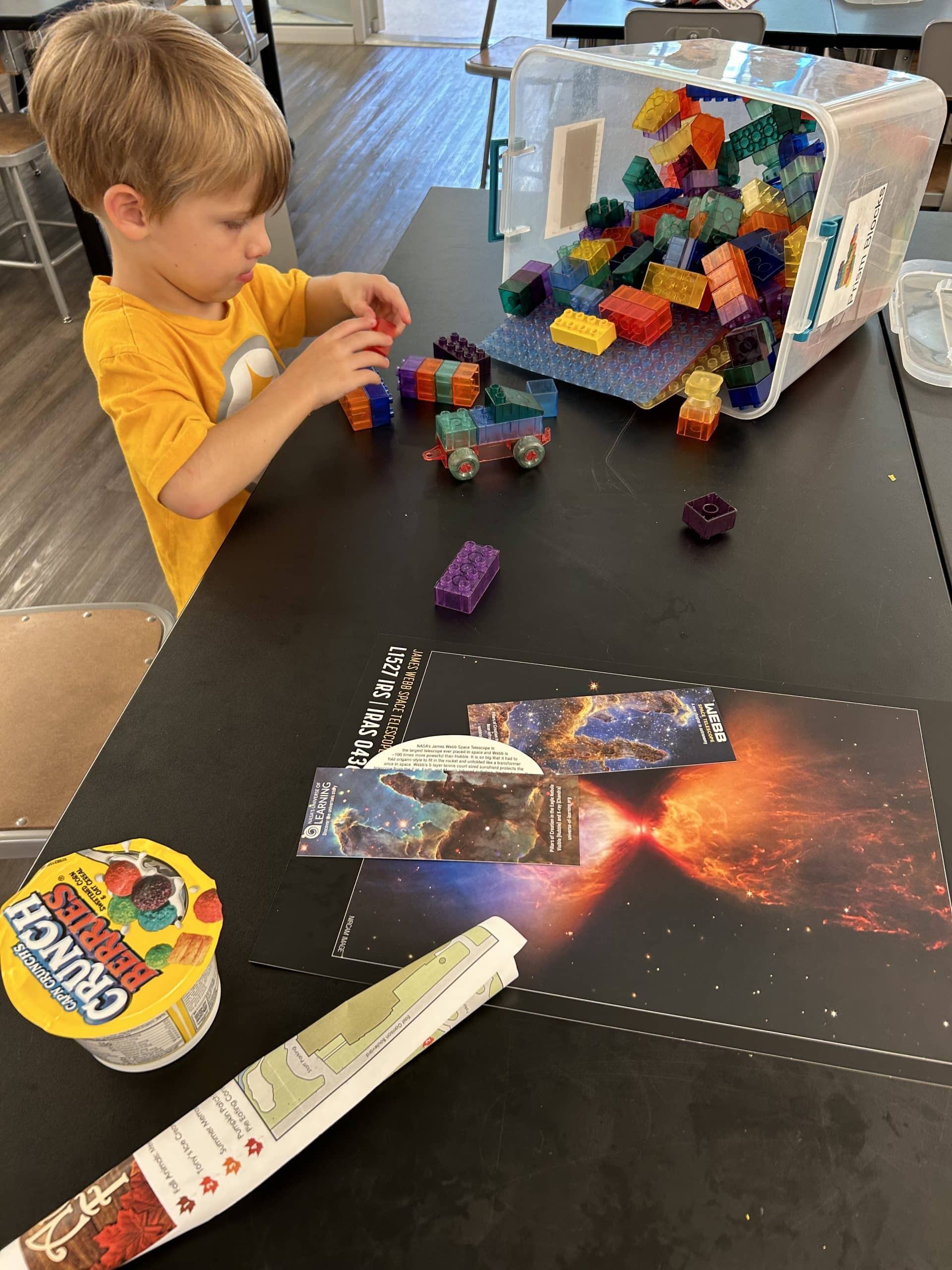
- Worksheets are boring. Many worksheets are busy work for students. They do not raise interest or curiosity. Worksheets may be cute, but they are dull for students. An activity that requires manipulating objects piques more interest and engages the brain.
- Routines are boring after a while. Too much structure is predictable. Change it up once in a while to engage students.
- Have some fun. Being serious day after day gets boring. Remember to smile.
- Be a lifelong learner. Learn with the students.
- Movers and shakers get attention. Don’t be a ‘sage-on-stage‘. Shake things up and let the students be movers.
Once students get bored, misbehavior is sure to follow. As students become disengaged or bored, it may follow them through the school years. Thus, they lose interest in school.
Losing interest in school happens because of a lack of varied teaching methods. Didactic teaching and the need to memorize lead to disinterest in the lessons.
A focus on standardized tests can bore students because teachers fear exploring other subjects. They lose their creativity.
What Boredom Means
Boredom means something different to each student. Boredom can be a complex matter. It may simply be an external mindset from what they hear peers say. It can also be internal because tasks are set at a difficult level relative to their capability. No matter the reason, boredom affects their future learning.
The Years Ahead
The lack of interest in school leads to high dropout rates. There is no motivation to pursue interests in a career. This can lead to depression, stress, and anxiety. Creating exciting lessons gives students a love for learning.
Students become disengaged when the task becomes difficult or confusing. The simple trick to keep boredom away is to help students when a task becomes difficult. Persistence on a task depends on how lessons are structured. Streaming a topic is familiar to students. This may be an easy way to keep them on topic.
Know when your students become bored. It’s not always their fault or the teacher’s fault. Ask why they are bored. Find the source of the problem.