
Oral Language is a Buildiing Block
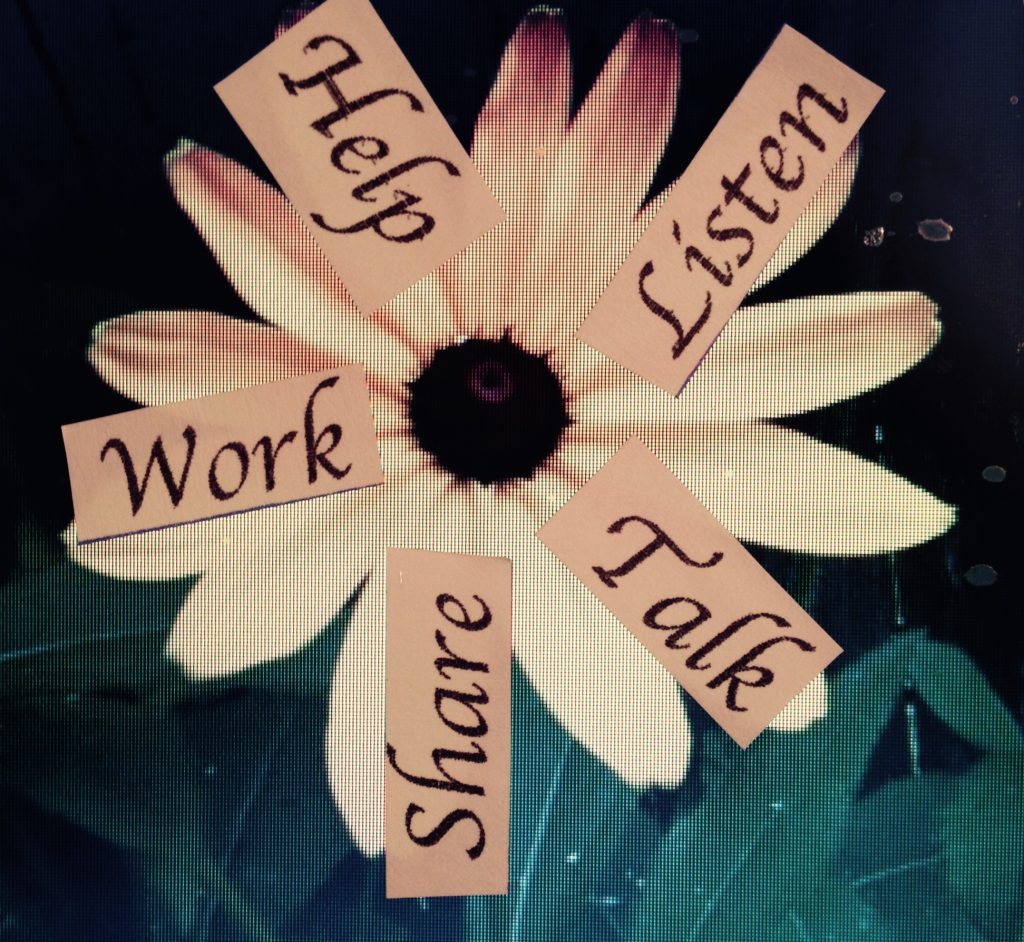
Oral language is the basis for all methods of communication. Students need exposure to oral language that uses detailed words, complex sentences, and varied vocabulary.

PLCs Guide Teachers
PLCs in schools can be productive when given purpose. A PLC (professional learning community) is a group of teachers or educators who meet regularly to
Pre-K has Little Academic Gains
Pre-K studies find that there may be major drawbacks to pushing academics in preschool. Some research found that the academic gains that students made weren’t

Grammar Instruction for Communication
Grammar instruction is changing in schools. There are many studies on how grammar is taught in schools, but there are no definitive results on exactly

Teaching Students to Think
Teaching students to think is what education is about. Students need to think critically and with imagination and creativity. Critical thinking in the classroom includes

Silent Reading Reemerges
Silent reading in the classroom has been replaced by guided instruction because of standardized tests. However, ten minutes of silent independent reading should be a
Classroom Boredom
Classroom boredom is not uncommon. Students and teachers get bored with the same old lessons. Teachers do not try to have lessons that bore students.

Parent-Teacher Relationships
Parent-teacher relationships are important. It’s important to start forming a bond as soon as the new school year begins. The goals of parent-teacher meetings are

Parents and Teacher Involvement
Parents need to have an open involvement with schools. A strong relationship with schools has a significant effect on students in many ways. Begin the

Misspelled Words by Students
Misspelled, mispronounced, and misused words are common in writing and speaking. The prefix ‘mis’ is a morpheme that means not, wrongly, or incorrectly. There are

Classroom Decor Influences Learning
Classroom decor influences student learning. It can affect the learning of students with visual and sensory needs. The student environment sets the tone for learning.

Summer Break is for Relaxing
A summer break is the time for educators to sit back and relax. For 10 months a year, teachers work an average of 54 hours